



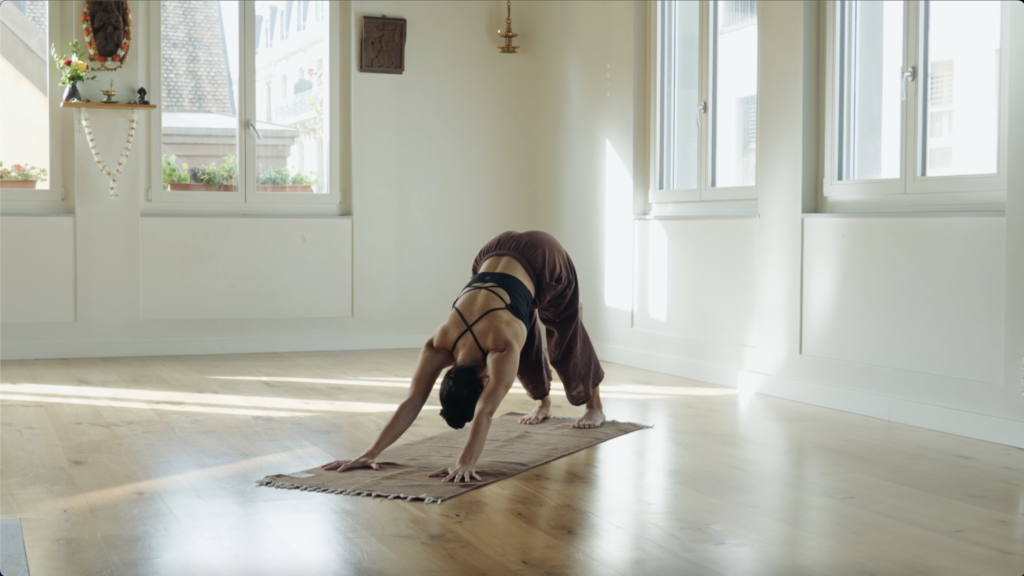
Don’t look for a yoga studio.
Don’t look for a method.
Look for a teacher.
Do not choose a place simply because it is close to your home, convenient for your schedule, or fits easily into your routine. Take the time to investigate the person you are studying with: their path, their experience, their education, the teachers and mentors who shaped them, and the work they have invested into their craft. Look at what inspires them and how they embody what they teach.
And do not look only at physical competence. Look at the life they have lived and the challenges they have navigated. A practice should help someone stay grounded, grow, and build something meaningful in their life—not simply perform impressive postures. Has the practice helped them cultivate meaningful relationships, contribute to others, continue their education, live with dignity, and face adversity with resilience? Or are they still trapped in the same patterns of lack, confusion, and dependency?
Choose your teacher first.
A sincere student is often willing to make significant adjustments in order to study with the person they believe can help them learn.
I value working with people who consciously choose to study here because something in the way this work is taught resonates with them. Not because it is Ashtanga, Mysore, Vinyasa, Iyengar, or any other label.
Through practice, you learn how to breathe, how to observe yourself, how to pay attention, and how to approach discipline. A skilled teacher will continue searching for different ways to transmit a principle until it is truly understood, because every student learns differently.
Over time, what is explored through movement and breath begins to influence how you think, how you relate to others, and the decisions you make in your life.
My karate, flamenco, music, and yoga teachers have shaped who I am today—as a woman, a professional, a partner, and a daughter. The principles they transmitted live in my body and continue to guide my actions, even if one day I stop dancing or practicing postures altogether.
A teacher holds standards—not only for postures, but for behaviour, attitude, integrity, and discipline. The teacher, the space they hold, and the community they cultivate become a point of reference that students can return to when they lose their balance.
That is why choosing the teacher matters far more than choosing a studio, a schedule, or a style.
If you choose to practice here, let it be because something in the way this work is taught resonates with you and supports your growth.
Methods, styles, and labels are secondary.
The relationship to the teaching is what matters.